
Custom Merch Strategy in Australia, Perth, Melbourne: How Brands Use Merchandise as a Long-Term Asset
Custom merch is no longer an afterthought. What used to be a last-minute giveaway or a logo-first impulse has shifted into a deliberate brand tool: merch that is thoughtfully designed, built to last, and meant to deepen relationships over time. For modern brands across Australia — from Perth to Melbourne — successful custom merch is about intentional design, long-term use, and meaningful connection, not just visibility for visibility’s sake.
Viewed strategically, custom merch in australia becomes a true brand asset — an owned touchpoint that lives beyond single campaigns, supports loyalty, reinforces identity, and quietly compounds value as it is used. This article explains what a practical Custom Merch Strategy in Australia looks like, where many businesses go wrong, and how thoughtful product choices and design can turn merch into sustained value for brand and people alike.
At Hum.Concept, we treat merchandise as part of a broader brand ecosystem. That means considering behaviour, lifestyle, and long-term relevance from the first sketch through to distribution — so merch supports the brand story instead of interrupting it.
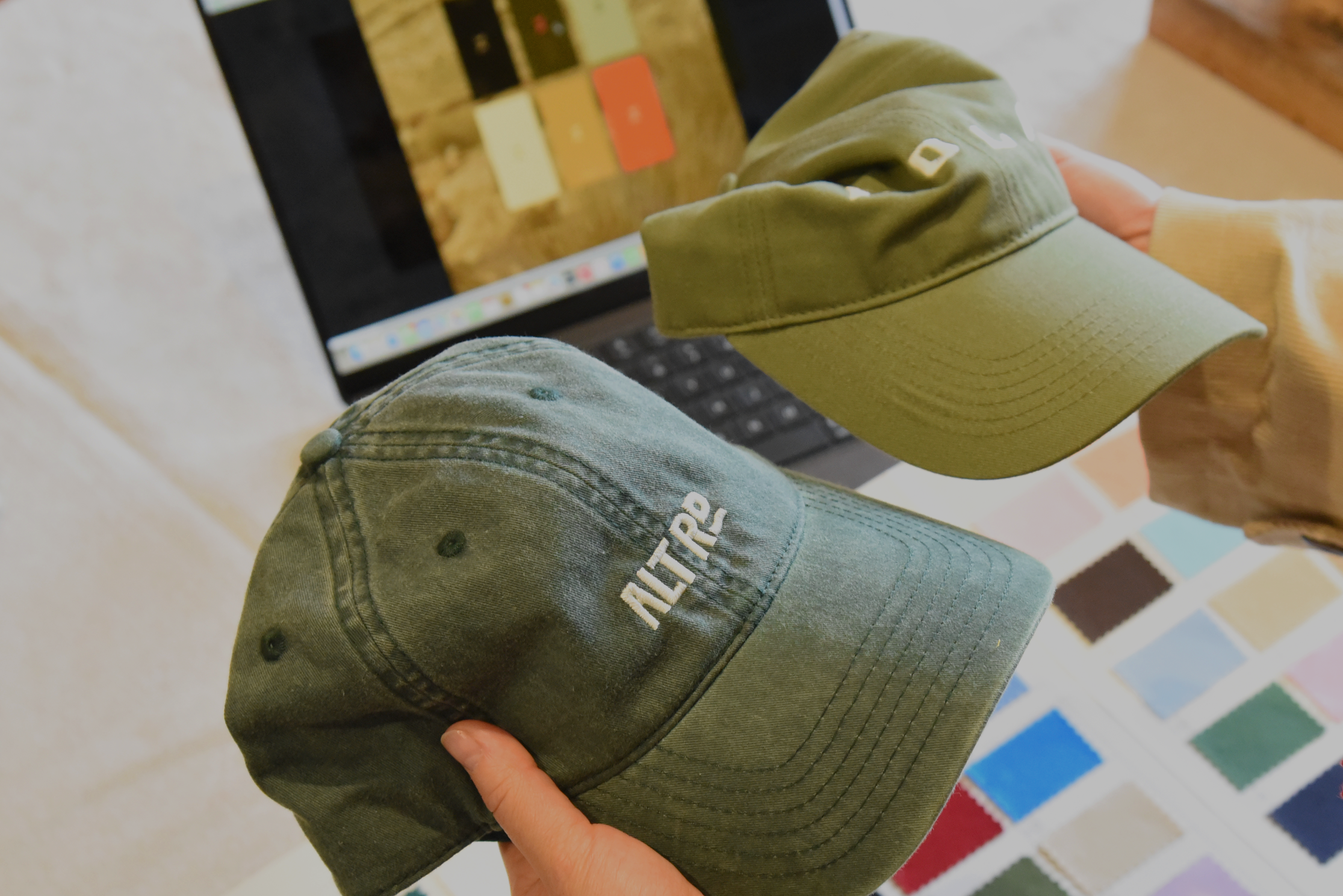
What you’ll find in this guide: a clear definition of strategic merch, the five questions every merch decision should answer, practical design and product guidance, lifecycle and distribution tactics, and simple metrics to measure value over time.
Quick example: a well-crafted branded hoodie given to new hires as part of an onboarding kit can become a weekly-worn asset that strengthens internal culture and provides ongoing, authentic visibility — delivering far more value than mass-produced giveaways.
If you’re planning merch for your brand, use the questions and checklists in this article to move from transactional giveaways to purposeful brand products that earn a place in people’s lives.
What a Custom Merch Strategy Really Is (And What It Isn’t)
Before committing budget or production time, it helps to separate transactional thinking from strategic thinking. A custom merch strategy rejects one-off tactics and looks for lasting alignment with brand purpose and audience behaviour.
Choosing products from a catalogue
Printing a logo to “increase visibility”
Ordering items for a single event
Prioritising cost over longevity
Instead, a custom merch strategy is a deliberate system that aligns merchandise with brand identity, audience behaviour, and long-term goals.
At its core, a strong merch strategy answers five fundamental questions — and each has a practical implication:
Why does this merch exist? — Define the outcome (culture, onboarding, customer loyalty, fundraising) before choosing a product.
Who is it for — and how do they live? — Map daily habits and wardrobe preferences so products fit naturally into life.
Where and how will it be used? — Consider context (office, commute, home, events) to inform material, fit, and branding choices.
How long should it remain relevant? — Set a target lifespan (months/years) and design for durability and timelessness accordingly.
What role does it play in the brand ecosystem? — Ensure merch complements identity, messaging, and other touchpoints rather than competing with them.
Answering these questions early turns merch from a short-term expense into a strategic, repeatable part of brand planning. Try this now: pick one current merch idea and write a one-sentence answer to each question — you’ll immediately see where the gaps are.
Why Brands Are Rethinking Merchandise
Several shifts are forcing brands — from startups in Perth to established teams in Melbourne and across Australia — to rethink how they approach merch.
Audiences are more selective about what they keep
Sustainability expectations have increased
Over-branding feels dated and inauthentic
Cheap merch damages brand perception
Long-term loyalty matters more than short-term reach
In today’s market, generic or disposable items rarely earn a place in people’s lives. Even well‑placed logos won’t save a product that doesn’t fit someone’s routine or values — people simply won’t store, wear, or use it.
As a result, forward-thinking brands are shifting from merch as marketing toward merch as experience — products designed to be useful, durable, and emotionally resonant. Examples include limited runs tied to a community release, onboarding kits that welcome new team members, or functional items (reusable drinkware, everyday bags) that integrate into daily life rather than sit in a drawer.
Custom Merch as a Brand Asset, Not a Cost
Treating merch as a line-item expense drives the wrong decisions. When businesses evaluate only unit price, they favour volume over quality and end up with waste, low engagement, and little long-term return. A strategic approach instead recognises custom merch as an owned brand asset that can deliver ongoing value when designed and distributed with intent.
To judge merch as an asset, look for outcomes you can measure over time — not just short-term unit cost. Frequency of use, continued brand presence in real contexts, and strengthened internal culture are the kinds of returns that compound and justify a higher upfront investment.
What Makes Merch an Asset?
Repeated use over months or years — products that earn weekly wear or daily use increase exposure and reduce waste.
Ongoing brand presence without active promotion — well-chosen items keep your brand visible in the background, not just during campaigns.
Emotional attachment through comfort and relevance — people keep and use items they feel good in or that solve a practical need (a comfortable hoodie, a reliable reusable bottle).
Cultural reinforcement within teams or communities — internal merch that signals belonging can support retention and brand advocacy.
For example, a high-quality hoodie issued as part of an onboarding kit and paired with a recognition moment can become a weekly-worn item that reinforces team identity and provides ongoing, authentic visibility — a markedly different outcome to a cheap giveaway that ends up discarded. Measure these outcomes with simple KPIs (use frequency surveys, adoption rates, and qualitative feedback) to demonstrate how merch shifts from cost to strategic value.
The Role of Merch in the Brand Ecosystem
Merch is most effective when it is an intentional element of a brand system — not an isolated afterthought. When aligned with identity, messaging, environment, and behaviour, custom merch reinforces how people perceive and experience the brand.
Strategic merch supports:
Brand recognition through familiarity — for example, a consistent colour palette or recurring motif across products that helps people recognise the brand at a glance.
Brand trust through consistency — durable materials and consistent quality signal reliability and elevate perception beyond one-off promotions.
Brand loyalty through daily presence — practical items (a commuter-friendly bag or a comfortable tee) that appear in everyday life encourage ongoing engagement.
Brand culture through shared experience — internal rituals like onboarding kits or milestone gifts create shared touchpoints that build belonging.
Rather than shouting for attention, good merch settles into routine — becoming part of how people interact with the brand naturally. Quick audit: list three existing touchpoints (website, store, merch) and note whether each item reinforces the same identity and values — if not, you’ve found a gap to fix.
Audience-First Thinking: The Foundation of Strategy
Every effective merch strategy starts with people — not products. Successful custom merch is driven by real behaviours, routines, and preferences, not assumptions about what “looks good” on a mockup.
This means moving beyond basic demographics and asking deeper, practical questions that reveal how merchandise can actually fit into daily life:
How do they spend their days?
What do they already wear or use?
Where do they move between work, social life, and home?
What feels comfortable, natural, and authentic to them?
Merch designed without this context often fails to earn use, no matter how polished the visuals are.
Behaviour Over Assumptions
Assumptions like “people will love this” or “this will be great exposure” are unreliable. Behaviour is the true measure of success: what people actually wear, use, and keep determines whether merch becomes part of life or ends up discarded.
Two quick audience-first methods you can use today:
3-question micro-survey: Ask a representative sample of clients or staff (1) Which items do you use daily? (2) What brands do you wear publicly? (3) What would make you keep a branded item? — Use responses to rule products in or out.
Context audit: Observe or ask where target people spend time (commute, office, home, gym). Match product choice to those contexts (e.g., commuter-friendly bag, lightweight hoodie, reusable bottle).
Example insight: a client discovered their audience rarely attends large outdoor events but frequently commutes by bike — pivoting from event caps to reflective commuter jackets increased actual use and visibility. Understanding what drives custom merch adoption in your audience will save time and budget while improving real-world outcomes.
Designing Merch for Long-Term Use
Longevity is one of the most underutilised strategic levers in merchandise. Designing merch to last changes the conversation from one-off impressions to ongoing brand value.
Designing for long-term use requires restraint, clear intent, and discipline:
Subtle branding instead of loud logos
Timeless colours instead of trends
Quality fabrics instead of novelty finishes
Comfortable fits instead of rigid shapes
Small decisions stack: together they determine whether merch becomes part of someone’s routine or ends up forgotten. Apply these quick design rules when planning custom merch design:
Logo placement options: preferred are subtle placements — sleeve hem, inside neck label, or small chest embroidery — rather than large, central prints.
Color palette rules: choose 2–3 base neutrals and one accent; prioritise colours that integrate with existing wardrobe choices for broader daily use.
Material and durability: select fabrics with proven wear characteristics (midweight cotton blends for tees, durable canvas for bags) and ask suppliers for abrasion and wash-testing data.
Fit and inclusivity: specify relaxed silhouettes and extended sizing ranges to increase adoption across diverse bodies.
Example: a tone-on-tone embroidered logo on a midweight hoodie maintained a low-profile aesthetic while feeling premium; staff wore the hoodie regularly, turning it into an earned cultural item rather than a disposable giveaway.
These principles — subtle branding, considered colours, durable materials, and inclusive fits — form the backbone of effective custom merch design. They help designs feel useful, familiar, and wearable over months and years, which is the real route to strategic value.
Subtle Branding as a Strategic Choice
Visibility is often misunderstood: more branding does not automatically produce more impact. Overly loud logos can limit when and where people feel comfortable wearing an item, which reduces overall use and organic exposure.
Subtle branding allows merchandise to:
Be worn in more environments
Feel appropriate beyond brand-specific spaces
Blend into existing wardrobes and routines
When people choose to wear merch because they genuinely like it — not because they’re asked to — brand exposure becomes organic, ongoing, and more valuable.
Practical subtle-branding tactics that work:
Tone-on-tone embroidery or small chest logos instead of full-front prints.
Inside labels, woven tabs, or branded hardware (zip pulls, toggles) that reward close inspection without dominating the look.
Functional brand cues — a distinctive pocket cut, a signature stitch, or a colour accent — that communicate identity without shouting.
Mini-case: swapping a large chest print for a small sleeve embroidery increased staff adoption at one client because the item felt easier to wear publicly. Try a quick internal A/B test: issue two logo treatments to a sample of staff and compare wear rates over four weeks — the higher adoption rate usually signals the better long-term option.
This shift from forced visibility to chosen presence is one of the most powerful outcomes of a strong merch strategy: chosen presence turns products into everyday ambassadors rather than temporary billboards.
Colour, Fit, and Fabric: The Silent Influencers
Most merch ideas fail not because the concept is weak, but because execution misses the details. Colour, fit, and fabric are the silent influencers that determine whether a product becomes part of someone’s routine or is tossed aside.
Colour
Timeless, neutral palettes integrate more easily into daily life — think muted tones and classic neutrals that work with existing wardrobes. Trend-driven colours can spark initial excitement but often narrow long-term appeal; use accents for trend colour rather than making it the primary hue.
Fit
Poor fit is one of the fastest ways to lose engagement. Prioritise inclusive sizing, relaxed silhouettes, and considered proportions: slightly relaxed cuts generally increase adoption because they suit a wider range of bodies and layering choices. Checklist: provide a size range, sample fittings for staff, and specify ease allowances rather than rigid measurements.
Fabric
Comfort is non-negotiable. Fabric quality directly influences emotional attachment — people keep what feels good and discard what doesn’t. For guidance: midweight cotton blends (approximately 180–220 gsm) are versatile for tees; hoodies perform best in 300–380 gsm loops or fleece for durability and warmth. Ask suppliers for wash testing and pilling data to assess durability.
Treat these elements as core design decisions, not afterthoughts. Small technical choices in colour, fit, and fabric compound into big differences in wear frequency, perceived value, and long-term durability for your custom merch designs.
Product Selection: Fewer, Better Choices
One of the most strategic decisions a brand can make is what not to produce. Narrowing the range of products forces better choices: higher quality, clearer purpose, and stronger fit with people’s lives.
Not every product category supports long-term use. Novelty items can create momentary excitement but rarely deliver lasting value for the brand or the people who receive them.
Strategic product selection focuses on:
Items people already use — choose categories that are part of daily routines (apparel, bags, drinkware).
Products that fit daily habits — consider commuting, remote work, and leisure activities when selecting items.
Objects with clear functional purpose — favour utility (a durable tote, a reliable bottle, a comfortable tee) over novelty “swag.”
Prioritised shortlist (top categories to consider): apparel (tees, hoodies with inclusive sizing), bags (commuter or day bags with durable hardware), drinkware (reusable bottles or insulated tumblers), and everyday accessories (caps, beanies, phone sleeves). These items tend to integrate into routines and deliver recurring brand presence.
Two quick criteria to evaluate whether a product “fits daily habits”: (1) Does the target audience already carry or wear this item regularly? (2) Does the item solve a clear, repeatable need (carry, drink, warm, protect)? If the answer is no to either, reconsider that product.
For internal needs, consider uniforms selectively: where function and consistent appearance matter, invest in durable, well-fitted pieces; where optional expression is better for culture, opt for optional premium items that teams choose to wear. Fewer, better products reduce production complexity, improve perceived value, and increase the chance merch becomes a lived-in part of the brand.
The Custom Merch Lifecycle
Strategic custom merch planning looks beyond design and production to the full lifecycle of a product. Treating each stage deliberately reduces waste, improves outcomes, and helps merch behave like an owned brand asset.
Concept — Why it exists. Practical question/KPI: What specific outcome does this product target (onboarding adoption, customer loyalty, fundraising)? Target metric: a defined success metric (e.g., 60% adoption in onboarding cohort).
Design — How it fits into life. Practical question/KPI: Does the design match daily behaviour and wardrobe choices? Target metric: fit acceptance or sample wear-rate in prototype testing.
Production — How it’s made and finished. Practical question/KPI: What are lead time, minimum order quantity, and material sustainability credentials? Target metric: agreed lead time and quality acceptance rate (e.g., <2% defects).
Distribution — How and when it’s introduced. Practical question/KPI: Is distribution tied to meaningful moments (onboarding, milestones, campaigns) or mass handouts? Target metric: distribution conversion (percentage of intended recipients who accept/use the item).
Use — How often it’s worn or used. Practical question/KPI: Does the product earn daily or weekly use? Target metric: frequency-of-use surveys or observation (e.g., % reporting weekly use).
Retention — How long it stays relevant. Practical question/KPI: What is the expected useful life and how will you refresh relevance over time? Target metric: average use-life in months/years or retention rate at 12 months.
Ignoring any stage weakens the overall outcome. Use a simple planning checklist: concept brief → prototype and wear-test → confirm production MOQ and lead times → plan distribution moments → measure use at 3/6/12 months → iterate or refresh. This connects production and order decisions (volume, quantity) with delivery timing and real-world product performance so your custom merch delivers measurable value.
Distribution Is Part of Strategy
How merch is distributed shapes its meaning. Random mass giveaways often devalue products; intentional distribution ties an item to a moment or relationship and increases perceived value.
Strategic distribution may include:
Onboarding moments
Milestones and achievements
Limited releases
Community or team rituals
When merch is tied to moments rather than mass handouts, it carries emotional weight and is more likely to be used and retained.
Practical distribution tips and KPIs:
Choose moments with meaning: onboarding kits, promotion gifts, anniversary drops, or community meet-ups increase attachment and relevance.
Track adoption KPIs: percent of intended recipients who accept the item, initial wear/use rate at 1 month, and retention at 6–12 months. These metrics demonstrate whether distribution is creating ongoing value.
Manage order and delivery smartly: align production volume and lead times with planned moments (confirm minimum order quantities before committing to release dates) to avoid overstock or rushed, lower-quality runs.
Example: a client shifted from handing out promotional caps at events to issuing curated onboarding kits to new hires. The result: higher initial adoption and stronger internal visibility because the merch was tied to a meaningful moment. Thoughtful distribution turns product into a prompt for behaviour, not just a freebie.
Custom Merch and Internal Brand Culture
Merch isn’t only an external marketing tool — it’s a powerful lever for internal culture and belonging. Thoughtful internal merch can make values tangible and give teams a shared, wearable signal of identity.
Well-designed internal merch:
Builds pride — people feel recognised when they receive purposeful items tied to achievements or milestones.
Reinforces shared identity — consistent quality and design language make merch feel like part of the brand story rather than a one-off token.
Encourages cohesion — shared items used in rituals (onboarding, team days) create common experiences that people remember.
Supports retention — recognition-driven distribution (gifts for milestones, service anniversaries) contributes to employee satisfaction and loyalty.
Practical tactics for internal merch:
Uniforms where function and consistency matter: invest in durable, well-fitting pieces and offer alternatives for personal expression where appropriate.
Optional premium items to drive culture: make certain pieces available as rewards or choice items so teammates opt in, increasing perceived value and adoption.
Recognition-driven distribution: tie items to clear moments (promotion, project completion, anniversaries) rather than mass handouts.
Measure internal impact: track adoption rate (what percent of staff wear/use the item), collect qualitative feedback, and monitor any correlation with engagement or retention surveys.
When teams genuinely enjoy wearing branded items, culture becomes embodied rather than enforced — merch becomes a subtle, daily reinforcement of belonging and brand identity.
Sustainability as a Strategic Consideration
Sustainability is not an add-on — it is central to a credible merch strategy. Disposable, low-quality items harm both the environment and brand perception, while durable, considered products support long-term value and trust.
A strategic approach to sustainability prioritises:
Durable design
Thoughtful quantities
Responsible material choices
Long-term relevance
Quick decision rules you can apply:
Durability first: prefer construction methods and fabrics with proven longevity (reinforced seams, mid- to heavyweight materials) — durable items reduce replacement demand and improve perceived value.
Plan quantities to demand: estimate realistic adoption rates (staff uptake, customer interest) and avoid over-ordering; smaller, targeted runs or limited releases reduce waste and financial risk.
Prioritise responsible materials and supply transparency: choose recycled content, certified fibres, and suppliers who can demonstrate material provenance and lower-impact processes.
Design for longevity of relevance: subtle branding, timeless palettes, and functional utility extend an item’s use-life and decrease disposal rates.
Measure sustainability outcomes with simple metrics: average use-life in months or years, percentage of items repurposed or still in use after 12 months, and order-to-usage ratio (number ordered vs number actively used). Remember: the most sustainable merch is merch that lasts — and that starts with planning product volume, production methods, and design options that favour endurance over novelty.
Measuring ROI Beyond Sales
Custom merch often delivers value that isn’t captured by immediate sales figures. To understand its strategic impact, measure outcomes that accumulate over time: how often items are used, how they affect perception, and how they drive engagement.
Strategic metrics include:
Frequency of use
Brand recall
Emotional connection
Community visibility
Internal engagement
Practical KPIs and how to measure them:
Frequency of use — measure with short surveys (e.g., “How often do you use this item?”) or observational checks. Example KPI: X% of recipients report weekly use at one month post-distribution.
Brand recall — run a small follow-up sample survey asking unaffiliated respondents to recall brands seen in a given context (events, local community). Example KPI: increase in unaided brand recall among target cohort after three months.
Emotional connection — use qualitative feedback and Net Promoter Score (NPS)-style questions to capture attachment (e.g., “I feel proud to wear this item”). Track sentiment changes over time.
Community visibility — monitor organic sightings (social tags, community photos) and measure reach from user-generated content tied to the merch.
Internal engagement — for staff merch, track adoption rate (percentage of staff actively wearing items), and correlate with internal engagement survey results where possible.
Measurement cadence and ownership: run quick checks at 1 month, 3 months, and 12 months post-distribution; report quarterly to marketing and brand leads. Assign a single owner (brand or marketing manager) to collect data and recommend adjustments.
These outcomes compound: higher frequency of use drives ongoing brand presence, improved recall supports marketing objectives, and stronger emotional connection converts recipients into advocates — together delivering long-term value that outstrips initial cost.
Common Strategic Mistakes Brands Make
Even experienced brands fall into familiar traps when merch is treated as a low-priority, tactical exercise rather than a strategic asset. Below are common mistakes and a one-line remediation for each.
Treating merch as an afterthought — Remediation: Build merch into campaign and brand planning from the concept stage with a clear objective and owner (brand or marketing lead).
Chasing trends — Remediation: Prioritise timeless choices and limited, testable runs for trend-led items so you can experiment without committing to mass production.
Prioritising unit cost — Remediation: Evaluate total value (frequency of use, emotional attachment, brand presence) alongside unit price and build simple ROI scenarios before ordering.
Over-branding — Remediation: Use subtle logo treatments and functional brand cues that increase wearability and chosen presence rather than forced visibility.
Producing too much, too often — Remediation: Plan quantities to realistic adoption rates, favour smaller targeted runs or limited releases, and avoid excess inventory.
Avoiding these mistakes requires clarity, patience, and intention: set a simple decision checklist (purpose → audience fit → design test → production feasibility → distribution plan) to guide budgeting and reduce common custom merch costs and errors.
How HUM. Concept Approaches Custom Merch Strategy
HUM. Concept starts with the brand, not the product. Strategy begins before product selection and continues long after delivery — ensuring merch supports the broader brand story and real-world behaviour rather than interrupting it.
The approach focuses on:
Understanding brand identity deeply — we map core brand attributes (voice, visual language, values) and translate them into subtle, tangible design cues (colour systems, tone-on-tone treatments, signature trims) so merch feels like a natural extension of the brand.
Designing for real-world behaviour — design decisions are driven by how people live and move: commute-friendly bags, layering-friendly hoodies, or reusable drinkware that fits routine use. Prototyping and wear-testing with real users reduce risk and improve adoption.
Prioritising longevity and relevance — choices about fabrics, construction, and branding favour durability and timelessness so products remain useful and relevant across seasons and campaigns, increasing value per item over time.
Supporting brands as partners, not suppliers — HUM. Concept collaborates through planning, production, and post-distribution measurement, advising on quantity, order timing, and distribution moments to maximise impact and minimise waste.
How to engage (simple three-step starter): 1) Brand discovery — we align on identity and objectives; 2) Prototype & test — quick samples and small wear trials with your team or clients; 3) Plan & produce — finalise production, distribution moments, and measurement KPIs. This process helps clients and teams move from tactical merch buys to strategic custom merch that supports brand goals and real-world use.
Merch shaped this way serves the brand’s story — it feels considered, useful, and earned rather than promotional noise.
When Merch Becomes Part of the Brand Story
The strongest merch strategies don’t feel like strategies at all.
They feel natural.
They feel human.
They feel lived-in.
There’s a simple progression: a well-designed, useful product gets used regularly → it becomes familiar and emotionally meaningful → it is carried and shared by people, turning into a quiet symbol of the brand’s values and story. For example, a practical commuter bag issued to staff for daily use can evolve from a functional item into a recognizable sign of the team and its culture.
Quick exercise: write one sentence that answers — “How would our merch feel lived-in?” Use that line to test design choices: if the product doesn’t support that feeling, rethink the concept.
Final Thoughts: Strategy Turns Merch Into Meaning
Custom merch reaches its full potential when it is treated as a long-term asset, not a short-term tactic.
Strategy brings clarity.
Design brings relevance.
Longevity brings value.
When brands approach merch with intention, restraint, and respect for how people live, merchandise stops being “stuff” — and starts becoming part of something bigger.
Next step (quick): answer the five strategic questions from earlier with one sentence each for a current merch idea — if you want help turning those answers into a practical plan, consider a short merch audit with a brand-led partner to map concept, design, production, and distribution.