
Custom Merch Planning in Australia: How to Choose the Right Products for Your Brand
Custom merchandise can be one of the most powerful brand tools available—or one of the most wasted investments. The difference rarely comes down to budget or creativity. It comes down to planning.
When merch is chosen without intention, it often ends up unused, forgotten, or discarded. When merch is planned thoughtfully, it becomes part of everyday life, quietly reinforcing brand identity, loyalty, and connection over time. This is where custom merch planning plays a critical role.
At Hum.Concept, merch planning is treated as a strategic process, not a shopping exercise. The focus is not on what looks good in a catalogue, but on what will genuinely be worn, used, and kept.
This article explores how to plan custom merch properly from aligning with brand personality to understanding audience behaviour, choosing lifestyle-first products, and avoiding overproduction and waste.
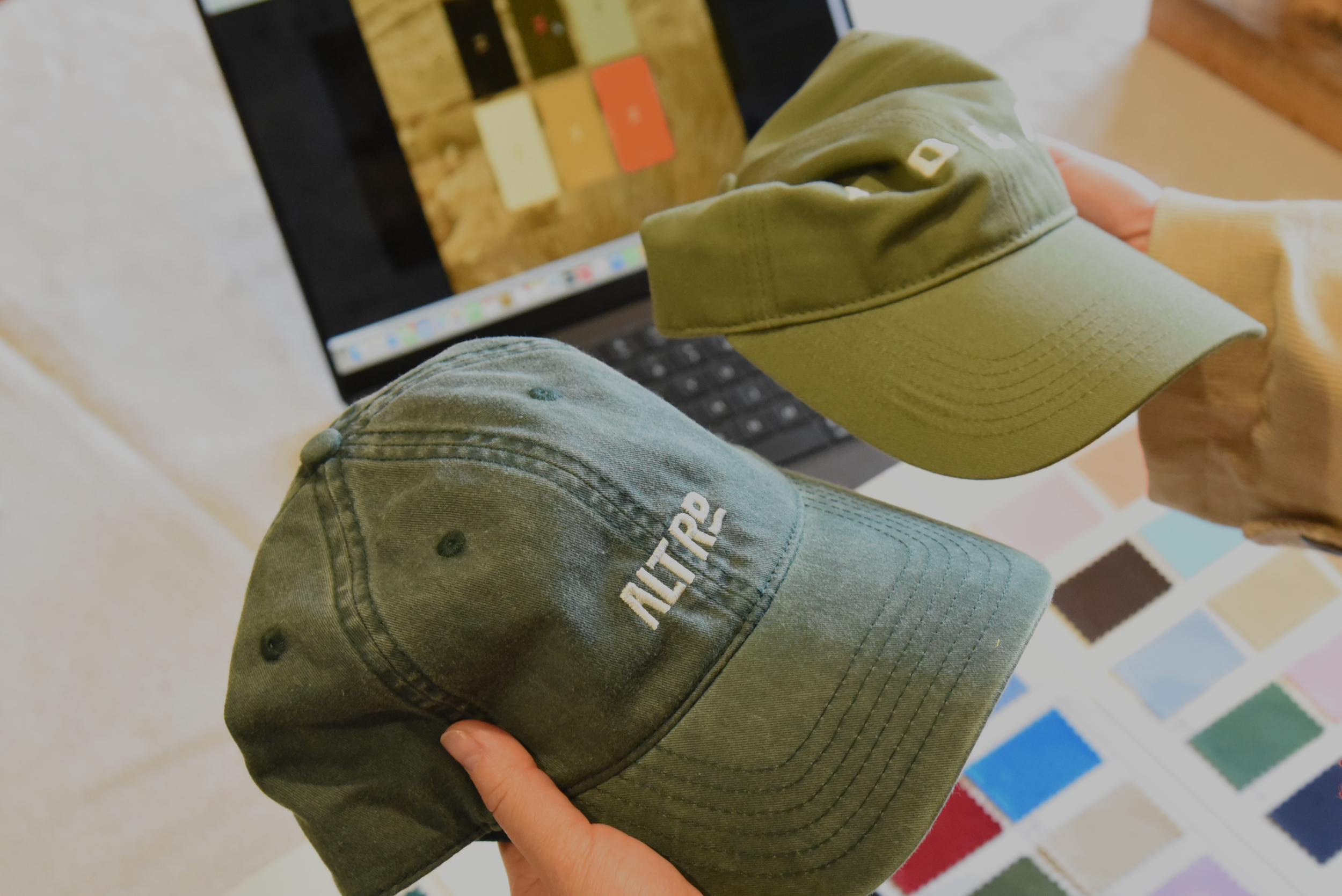
Many Australian brands struggle to move beyond one-off merchandise orders. This guide on custom merch strategy for Australian brands explains how a long-term approach creates consistency, value, and stronger brand impact.
Why Custom Merch Planning Matters More Than Product Selection in Australia
One of the most common mistakes brands make is jumping straight to product selection. Tote bags, t-shirts, caps, drinkware — the options are endless, and it’s tempting to choose quickly.
But merch chosen without a clear plan often lacks purpose.
Intentional Merch vs Reactive Merch in Australia
Intentional merch begins with clarity, not urgency. Australian brands that plan merchandise with intention take time to understand why the item exists and how it fits into everyday life. They consider who will use it, where it will be used, and whether it genuinely supports the brand’s long-term goals. This approach results in products that feel purposeful, relevant, and worth keeping.
Intentional merch starts with questions:
Why are we creating this?
Who is it for?
How will it be used in real life?
What role does it play in our wider brand ecosystem?
When these questions guide decisions, design becomes focused and outcomes feel cohesive rather than rushed.
Reactive merch, on the other hand, is driven by pressure rather than purpose. It often emerges from tight deadlines, external comparisons, or unallocated budgets that need to be spent quickly. In these situations, product choice tends to prioritise speed and availability over relevance.
Reactive merch typically starts with urgency:
We need something quickly for an upcoming event
Everyone else is producing merch right now
We have leftover budget that needs to be used
While reactive merch may serve a short-term need, it rarely delivers long-term value. Items produced this way often look acceptable at first glance but lack the quality, usability, and relevance required to remain in circulation. As a result, they fade from use shortly after distribution, missing the opportunity to create lasting brand connection.
The Hidden Cost of Poor Planning
When merch isn’t planned properly, the cost isn’t just financial. Poorly planned merch leads to:
Excess stock sitting unused
Low engagement from recipients
Increased waste
Diluted brand perception
Good planning reduces these risks before production even begins.
Understanding Your Brand Personality Before Choosing Merch
Every brand carries a distinct personality, whether it has been formally articulated or developed organically over time. Custom merch should act as a natural extension of that personality, reinforcing how the brand is already perceived rather than introducing a conflicting tone. When merch aligns with brand character, it feels intuitive and believable; when it doesn’t, even high-quality products can feel out of place or forced.
Brand personality influences everything from design restraint to material choice and product type. A considered approach ensures merchandise supports the brand story instead of distracting from it.
Defining How Your Brand Shows Up
Before selecting any product, it’s important to pause and clearly understand how your brand exists in the real world. This means looking beyond logos and colour palettes and focusing on how people experience your brand emotionally and behaviourally.
Ask yourself:
How does your brand feel when people interact with it?
Is the tone minimal and understated, or expressive and bold?
Does it lean refined and premium, or approachable and practical?
Is the confidence quiet and assured, or energetic and outspoken?
These qualities should directly influence merch decisions. A mismatch — such as loud graphics for a subtle brand, or novelty items for a refined one — creates disconnect. When merch reflects brand personality accurately, it feels cohesive, intentional, and far more likely to be embraced and used.
Aligning Values, Tone, and Aesthetics
Brand personality isn’t just visual — it’s behavioural. A purpose-led brand may prioritise longevity and restraint. A community-focused brand may prioritise comfort and inclusivity. A creative brand may lean into texture, detail, and subtle expression.
When merch aligns with these qualities, it feels authentic rather than forced.
Matching Merch to Audience Behaviour
One of the most overlooked aspects of merch planning is audience behaviour. What people actually do matters far more than what brands hope they’ll do.
Designing for Real Life, Not Ideal Scenarios
People don’t change their habits to suit merch. Merch must fit into existing routines.
Ask:
Where does your audience spend time?
What do they already wear or use?
How do they commute, work, relax, and socialise?
Merch that fits naturally into these patterns has a far higher chance of being used.
Why Habits Matter More Than Trends
Trends come and go, but habits are stable. A brand chasing trends may achieve short-term visibility, but long-term use comes from familiarity and ease.
Planning merch around habits ensures relevance long after the initial launch.
Lifestyle-First Merch vs Promotional-First Merch
This distinction is central to effective custom merch planning.
What Is Lifestyle-First Merch?
Lifestyle-first merch is designed to integrate seamlessly into daily life. It doesn’t announce itself as “merch” — it simply feels useful, comfortable, and appropriate.
Examples include:
Apparel that fits everyday wardrobes
Bags that are practical for daily errands
Drinkware that becomes part of routine
People choose to use lifestyle-first merch because it suits them.
Why Promotional-First Merch Often Fails
Promotional-first merch prioritises visibility over usability. Large logos, novelty items, or overly branded designs may look impressive initially, but they limit where and how items can be used.
When merch feels promotional, people hesitate to incorporate it into daily life. As a result, usage drops — and so does impact.
Choosing Products That Earn Their Place in Everyday Life
Not all products are equal in terms of longevity and use. Some naturally integrate into routines; others struggle to find relevance.
Utility as the Foundation of Good Merch
The most effective merch serves a genuine purpose. Utility removes friction. When an item is useful, people don’t need to be convinced to keep it.
This doesn’t mean merch must be purely functional — it means function should come first.
Merch works best when it’s planned as part of a bigger system, not a last-minute decision. Learn how brands approach planning across cities in this breakdown of strategic custom merchandise in Australia.
Products People Already Use, Done Better
Instead of inventing new items, strong merch planning often focuses on improving familiar ones:
Apparel staples with better fit and fabric
Bags with thoughtful construction
Drinkware designed for real use, not novelty
These products don’t demand attention — they earn it over time.
Quantity, Purpose, and Timing in Merch Planning
More merch doesn’t mean more impact. In fact, overproduction often reduces perceived value.
Why Less Can Achieve More
Smaller, intentional runs:
Increase perceived worth
Reduce waste
Allow for better quality
Encourage thoughtful distribution
Planning quantity around purpose rather than assumption helps avoid excess.
Planning Around Moments, Not Calendars
Effective merch planning considers when items are introduced:
Onboarding new team members
Community milestones
Seasonal transitions
Key brand moments
Merch tied to meaning is remembered longer than merch tied to deadlines.
Avoiding Overproduction and Unnecessary Waste
Overproduction is both a financial and environmental issue. It often stems from uncertainty or fear of running out.
The Cost of Excess Merch
Unused merch represents:
Locked-up budget
Storage challenges
Eventual disposal
Brand contradiction, especially for values-led businesses
Good planning minimises these outcomes.
Planning Production Around Real Demand
Demand forecasting doesn’t need to be complex. It requires honesty:
How many people realistically need this?
How often will it be distributed?
Is this item likely to be reordered?
Designing merch that stays relevant also reduces the pressure to overproduce.
Common Custom Merch Planning Mistakes Brands Make
Even experienced brands can fall into planning traps when timelines are tight or decisions are rushed. These mistakes are rarely obvious at the start, but their impact becomes clear over time through unused stock, wasted budgets, and diluted brand perception. Most issues stem from skipping foundational planning steps and focusing too quickly on products rather than purpose. Identifying these pitfalls early helps brands avoid repeating the same costly cycles.
Choosing Products Before Defining Purpose
When merch is selected before its purpose is clearly defined, it often lacks direction and relevance. Without knowing whether an item is meant for everyday use, gifting, retail, or internal culture, design decisions become scattered. This leads to generic outcomes that fail to connect with the audience. Purpose provides a framework that guides product choice, quantity, distribution, and long-term value.
Designing for Logos Instead of People
Logos are an important brand element, but they should never overpower usability. When branding dominates design, products feel promotional rather than personal, limiting where and how they are used. People are far more likely to keep and reuse items that feel comfortable, subtle, and adaptable. Merch designed for people first naturally supports the brand without forcing visibility.
Chasing Trends
Trends can be tempting, especially when they feel current and widely adopted. However, trend-driven merch often loses relevance quickly, making products feel outdated within a short timeframe. This short lifespan increases waste and reduces long-term value. Planning with longevity in mind ensures merch remains wearable and useful beyond a single season or campaign.
Ignoring Context
Context shapes how merch is experienced in the real world. Climate, cultural norms, lifestyle habits, and environment all influence whether an item is practical or ignored. Merch that looks appealing in theory may fail in practice if it doesn’t suit how and where people live. Considering context ensures products are functional, appropriate, and genuinely used.
How Custom Merch Planning Supports Brand Consistency
Merchandise is a recurring brand touchpoint that operates quietly over time. When planned with intention, it reinforces brand identity through repeated, positive interactions. Consistent merch choices help shape how a brand is perceived, both internally and externally. Without planning, merch can feel disconnected and undermine broader brand efforts.
Merch as a Long-Term Brand Asset
Unlike short-lived digital campaigns, well-designed merch remains present in daily life. Each use strengthens familiarity and reinforces brand values through experience rather than messaging. Over time, this repeated exposure builds trust and recognition. Merch only becomes a long-term asset when quality, relevance, and comfort are prioritised.
Visual and Behavioural Consistency
Brand consistency extends beyond logos, colours, and typography. It also reflects how a brand behaves and the standards it upholds. Thoughtful merch planning communicates restraint, care, and respect for the audience. When visual identity aligns with behaviour and values, merch feels authentic rather than performative.
HUM. Concept’s Approach to Custom Merch Planning
At HUM. Concept, planning is the foundation of every project. Rather than starting with product lists or trends, the process begins with understanding context and intention. This approach ensures every decision supports long-term relevance rather than short-term appeal. Merch is treated as part of a broader brand system, not an isolated output.
Brand-Led Thinking First
Each project begins by gaining clarity on the brand itself. This includes understanding core values, audience expectations, real-world use, and long-term goals. These insights shape every subsequent decision, from product selection to design details. By grounding the process in brand understanding, outcomes remain aligned and purposeful.
Designing Systems, Not One-Offs
Instead of creating isolated items, merch is planned as an evolving system. Core staples provide consistency, while seasonal or purpose-driven pieces allow flexibility. This approach reduces redundancy and encourages thoughtful updates rather than constant replacement. Over time, this system-based thinking leads to stronger cohesion and less waste.
Planning for Longevity
Longevity is embedded into every design decision. Materials are chosen for durability, fits are considered for comfort and inclusivity, and branding is applied with restraint. Product relevance is prioritised to ensure items remain useful over time. Merch is designed to be lived with, not cycled through, supporting both sustainability and brand trust.
When Custom Merch Planning Leads to Better Outcomes in Australia
When custom merch is planned with intention, the results extend far beyond aesthetics or short-term impact. Thoughtful planning creates clarity around purpose, audience, and use, ensuring every item has a reason to exist. This approach reduces guesswork and allows brands to invest with confidence. Over time, well-planned merch becomes a reliable extension of the brand rather than a one-off expense.
Reduced Waste and Higher Satisfaction
When merch aligns with both brand identity and audience behaviour, it naturally gets used more often. Fewer items sit unused, forgotten, or discarded because each product has been chosen with context in mind. Recipients sense the care behind the design, which increases appreciation and satisfaction. This not only reduces physical waste but also avoids the wasted opportunity of a missed brand connection.
Stronger Brand Connection Over Time
Merch that fits seamlessly into daily life is encountered repeatedly, without effort. Each use reinforces familiarity, turning the brand into something known and trusted rather than something advertised. Over time, this quiet presence builds emotional connection and loyalty. Instead of acting as a reminder, merch becomes part of how people experience and relate to the brand.
Products People Keep and Reuse
The most successful merch doesn’t need convincing — it simply feels right. When products are comfortable, useful, and visually aligned with personal style, people choose to keep them. Reuse becomes habitual rather than intentional, extending the product’s life naturally. In this way, good merch planning transforms branded items into everyday essentials that carry meaning over time.
Instead of focusing on products alone, successful brands focus on structure and intent. Explore how a long-term custom merch framework helps Australian businesses build stronger brand systems.
Final Thoughts: Good Merch Starts With Good Planning
Custom merch planning is not about perfection — it’s about intention. When brands take the time to understand themselves and their audience, merch becomes meaningful rather than mandatory.
By focusing on brand personality, real behaviour, lifestyle-first design, and responsible production, merch stops being a gamble and starts becoming a reliable brand asset.
Good merch doesn’t need to shout. It just needs to belong.
FAQs about Custom Merch Planning
1. Why is brand personality important when choosing custom merch?
Brand personality ensures merchandise feels like a natural extension of your business rather than a generic add-on. When merch reflects how your brand looks, feels, and behaves, people are more likely to connect with it and use it regularly.
2. How do I identify my brand’s personality before designing merch?
Start by looking at how your brand communicates and shows up in real life. Consider tone, values, visual style, and how customers describe their experience with you. These insights help guide merch choices that feel aligned rather than forced.
3. What happens if custom merch doesn’t match a brand’s personality?
When merch contradicts brand personality, it often feels disconnected or inauthentic. Even well-made products may go unused because they don’t resonate with the audience or fit naturally into their lifestyle.
4. Can minimal brands still use custom merch effectively?
Yes. Minimal brands often benefit the most from thoughtful merch design. Subtle branding, neutral colours, and high-quality materials allow merchandise to feel refined, wearable, and consistent with a restrained brand identity.
5. Does brand personality affect the type of merch I should choose?
Absolutely. Brand personality influences product selection, materials, colours, and branding approach. A playful brand may suit expressive items, while a premium or understated brand benefits from timeless, functional pieces designed for long-term use.